
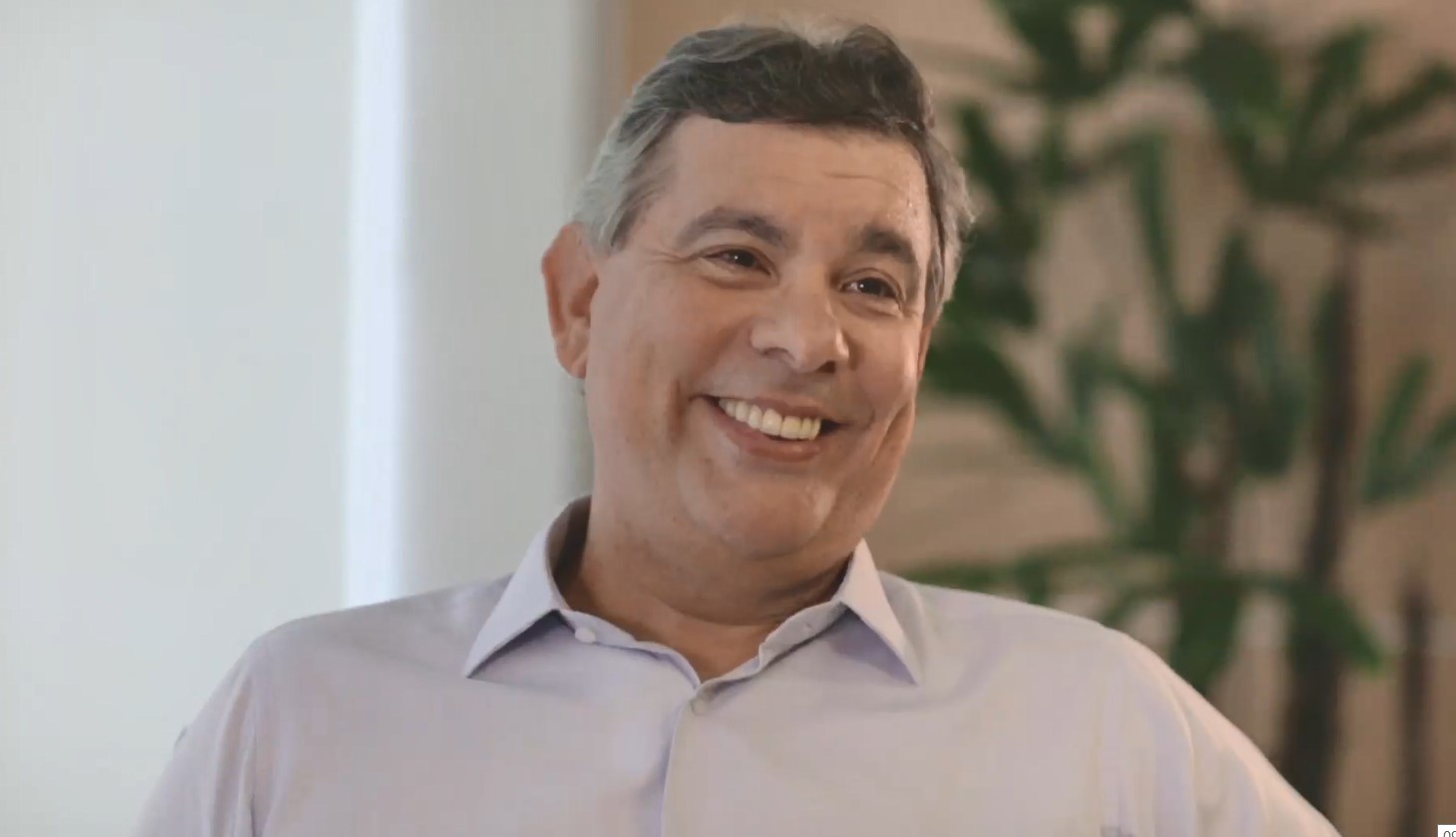
Empresário José Roberto Colnaghi, da Asperbras, fala da trajetória de sucesso do grupo Asperbras
|

José Roberto Colnaghi talks about the successful history of Asperbras Group

A small shop of Agricultural Implements located in the city of Penápolis (SP). That is how, in 1966, the history of the Asperbras Group began. At the time named after the founder’s family, Francisco Colnaghi, the company has come a long way to the present day. It was a successful history that transformed the family business into one of the largest Brazilian business groups, with around 5,000 employees in Brazil, Europe and Africa.

Today the Group is managed by the brothers José Roberto Colnaghi and Francisco Carlos Jorge Colnaghi. After the death of the founder, the name of the company – already recognized in the market by its PVC pipes factory for irrigation – changed to Asperbras (1985). In addition to selling implements, it began manufacturing tubes and connections used in crop irrigation.

Several sectors

Currently, the company operates in several sectors. In addition to PVC and Rotational Molding pipes and connections, there are also sectors of industrial technology and construction; geology and mining; food industry; real estate enterprises; vehicle dealerships; biomass energy; social programs and certified wood panels.

José Roberto Colnaghi explains that the performance in several areas was mainly due to the relationship with people. The quick understanding of the situations and especially the needs, whether of companies, governments or people.

In 2018 the Asperbras Group accomplished great things, such as the inauguration of its largest enterprise, Greenplac, an MDF (certified wood) factory, in Água Clara (MS). The construction of the new Bonolat dairy plant in Penápolis (SP) was also advanced, as well as the inauguration of ABITTE, a bet on the resumption of the growth in the real estate sector.

Social issues

The Group’s concern about environmental issues can be identified in all projects. In the GreenPlac plant of MDF, Asperbras was able to implement an old idea and produce all the energy consumed in the company by means of a thermoelectric plant that works from biomass. Also belonging to the Group, UTE Antônia uses wood waste from the plant itself, in a system of self-sufficiency, to produce clean energy.

Besides the environmental concern, the Asperbras Group has its attention focused on social issues. The Nelly Jorge Colnaghi Foundation – which bears the name of the mother of the current partners – has been assisting more than 240 children in Penápolis for almost 17 years. They also help the Hospital de Câncer de Barretos (SP) and initiatives that seek to preserve the environment, such as the non-governmental organization Flora Tietê.

The success of the company was theoretically simple.  Buy and pay, respect the deal. This is what is done until today, having control of the company, with people specialized on the matter, each one focused on their sector. Providing and encouraging employees. In the process, to see how it worked, José Roberto Colnaghi has already worked with tractor, track, truck, from A to Z, to learn about the processes and be able to contribute. The two brothers have always been deeply involved in the development of the areas and what most stimulates them is to see the result of all this work.

José Roberto Colnaghi, CEO of Asperbras Group, explains the success of the company through a combination of work, humility and respect for others, a formula inherited from his father. “We work to maintain profit without harming the supplier and the customer,” he says.


Posts Similares

  • |

    Impactos da adoção do Pix Cobrança precisam ser mensurados nos processos operacionais das instituições

    Ao completar seis meses desde o seu lançamento, não resta dúvida de que o Pix já faz parte do dia a dia dos brasileiros. Segundo o Banco Central, no dia 16 de maio, data da comemoração de seu primeiro semestre de existência, a ferramenta contava com mais de 242  milhões de chaves cadastradas, sendo 83 milhões de usuários pessoas físicas e mais de 5,5 milhões de empresas. O BC estima que aproximadamente 75 milhões de brasileiros já usaram o Pix para pagar ou receber, o que significa 45% da população adulta do país. Mesmo estes números superlativos, representam apenas o começo da jornada de um instrumento de pagamento que deve ser ainda mais representativo, já que uma lista de outras funcionalidades já tem data marcada para entrar em funcionamento e atrair ainda mais pessoas e empresas para o mundo dos pagamentos instantâneos. Quando avaliamos com mais profundidade o Pix Cobrança por exemplo, que por característica tem um funcionamento muito similar ao de um boleto – a partir de 1º de julho todos os participantes do Pix precisam ser capazes de fazer a leitura do QR Code e possibilitar o pagamento para data futura – existem aspectos envolvidos na adoção desse mecanismo que precisam ser avaliados pelas empresas para, por um lado, aproveitar ao máximo sua potencialidade, e por outro lado, evitar problemas decorrentes de um descompasso entre a velocidade do Pix e um ritmo eventualmente mais lento das estruturas e processos de atendimento ao consumidor. Só para exemplificar, basta analisar a situação de uma distribuidora de energia elétrica. Imaginando que a ordem para cortar o fornecimento de luz de uma residência por inadimplência tenha sido dada e no meio do caminho aquele débito tenha sido quitado com uso do Pix. Legalmente, aquela falta de pagamento deixa de existir imediatamente, mas se o funcionário responsável pelo corte não tiver acesso a essa informação, o serviço será executado, e o consumidor prejudicado indevidamente. Quanto isso pode custar em termos de processos judiciais e arranhões na imagem da empresa? Para evitar que estes prejuízos aconteçam, é fundamental que os  pagamentos via Pix sejam atualizados e disponibilizados instantaneamente ao time operacional. O mesmo tipo de cuidado deve ser aplicado em operações de crédito. Com o Pix, o score dos tomadores de empréstimos e financiamentos se tornará muito mais  dinâmico podendo se transformar rapidamente dentro do mesmo dia. Pela manhã a pessoa pode constar com uma pendência e no meio do dia isto não ser mais uma verdade. Para decisões mais assertivas e um processo mais fluido, as ferramentas de análise de crédito deverão também contar com atualizações on-line dos recebimentos via Pix. Outra situação que merece atenção é que, como o Pix permite pagamentos em finais de semana e feriados, estes recursos, que antes eram contabilizados apenas em dias úteis, agora passam a ficar disponíveis na conta das empresas imediatamente. Desta forma, para não deixar de rentabilizar esse dinheiro, as organizações precisam se preparar e prever a aplicação dos recursos originados pelo Pix creditados em dias e horários não úteis. Estes são apenas alguns exemplos que deixam clara a necessidade de ajustes em rotinas (sistêmicas ou não), as quais se iniciam sob o prisma financeiro, mas que podem repercutir em tesouraria, contabilidade, impostos, crédito e operações. E isto, pelos números apresentados no início deste texto, deve ser…

  • |

    Germany latest country to close borders

    Germany has become the latest country to close borders as European nations try to stem the spread of the coronavirus. Its borders with France, Austria and Switzerland were shut on Monday morning, except for commercial traffic. France is considering more stringent lockdowns, with its health chief saying the situation is “deteriorating fast”. Latest World Health…

  • |

    GreenPlac: from dream to reality

    In the midst of a big celebration, held in the city of Água Clara (MS), attended by over 700 guests, including local authorities, directors, entrepreneurs, suppliers, employees and friends from all over Brazil and abroad, the dream came true. With a special blessing from the town priest, GreenPlac, the most modern certified medium-density fiberboard (MDF)…

  • José Maurício Caldeira speaks out about approval of the Budget Guidelines Law

    The approval of the LDO (Law of Budgetary Guidelines) by the brazilian Congress, in remote sessions in the Chamber and in the Senate in one of the last sessions of 2020, consolidated the market’s tendency to trust the premise that the country is moving in the right direction. The stock market has already recovered its…

  • |

    Crypto investors ‘think they can get rich quick’ by buying bitcoins

    Huge volatility has led to warnings about investing in cryptoassets and one industry group has called for regulation. A heavily-promoted industry in cryptoassets has built up in recent years, with Bitcoin being the most popular. Despite the hype, few people actually put their money into this kind of unregulated investment, according to the Financial Conduct…

  • The tendency is for the real estate sector to expand in the countryside after the pandemic, says José Maurício Caldeira, from Asperbras

    In the evaluation of Asperbras’ partner and member of the Board of Directors, José Maurício Caldeira, with the popularization of the home office work regime during the coronavirus pandemic, smaller cities with good urban structure became more attractive and started to get the attention of the real estate market.